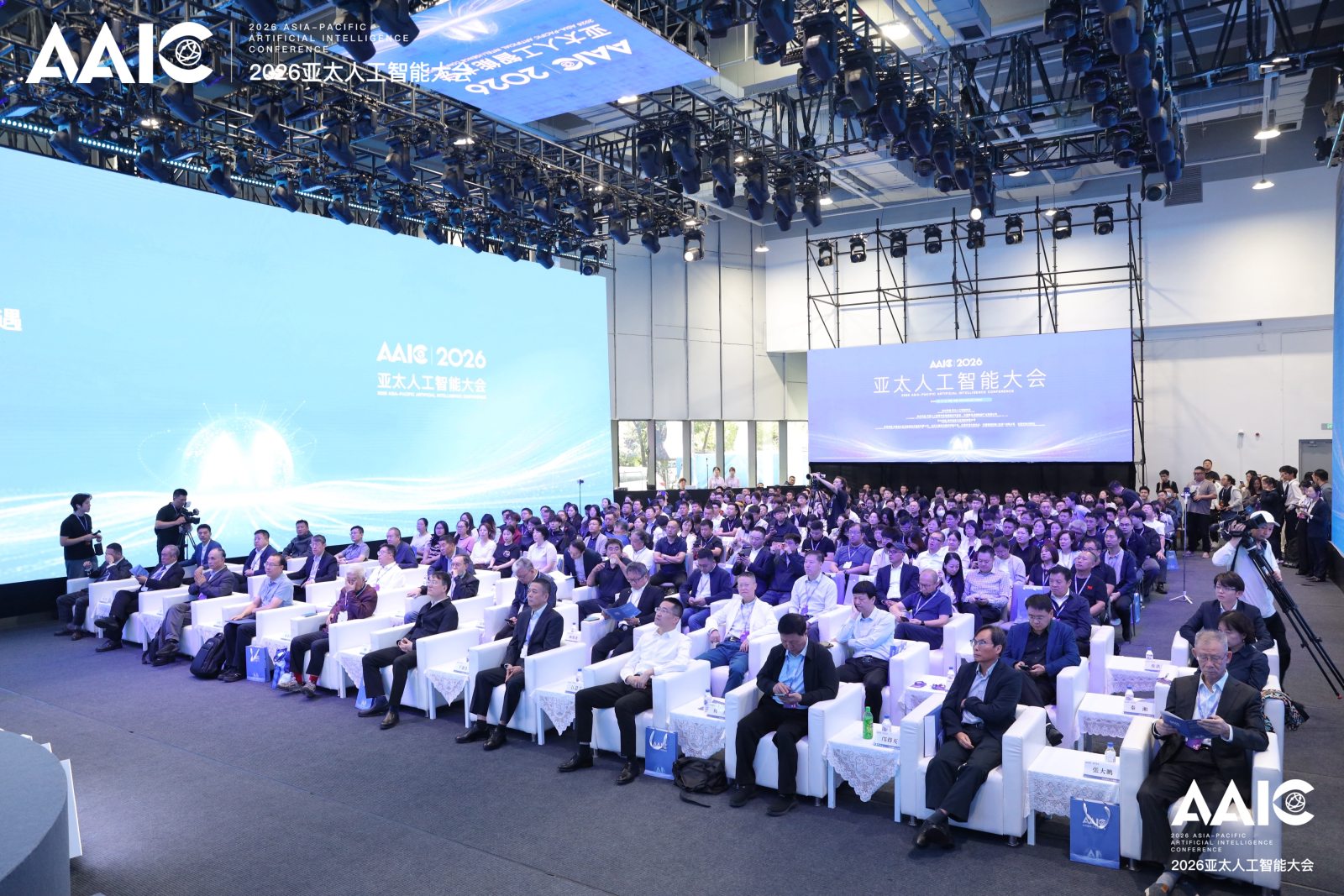
The 2026 Asia-Pacific Artificial Intelligence Conference, hosted by AAIS, took place in Changchun, the capital of Jilin Province in northeast China, from September 17 to 19, 2026. The three-day event brought together AI researchers, industry leaders, and policymakers from across the Asia-Pacific region for discussions on recent developments in artificial intelligence and international collaboration.
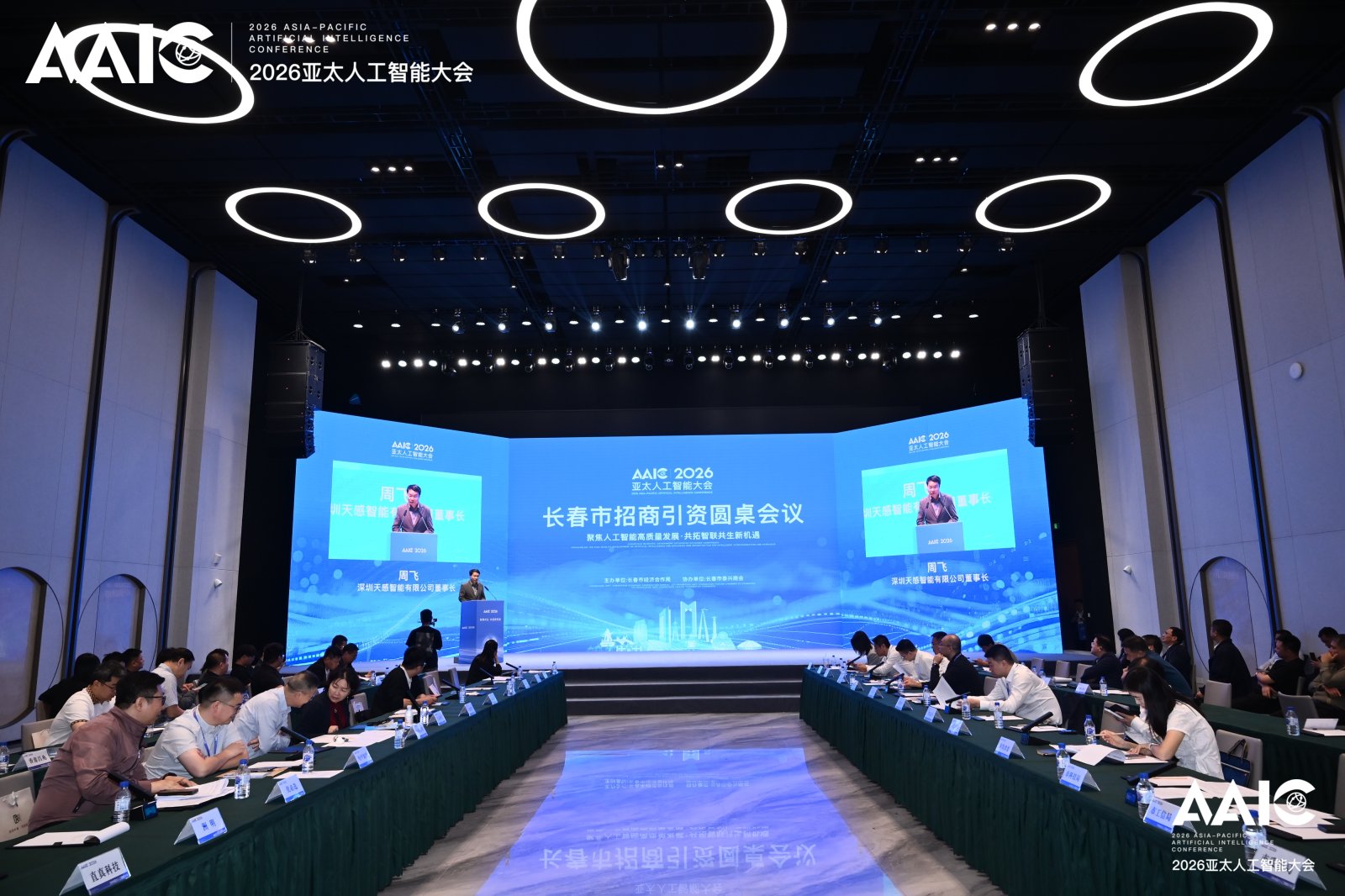
The conference included keynote speeches, panel discussions, and exhibitions covering topics such as large language models, intelligent manufacturing, autonomous driving, smart healthcare, and AI ethics and governance. Participants exchanged views on recent developments in AI and discussed ways to strengthen cooperation across the Asia-Pacific region. The event also highlighted Changchun’s growing role in science and technology in northeast China.
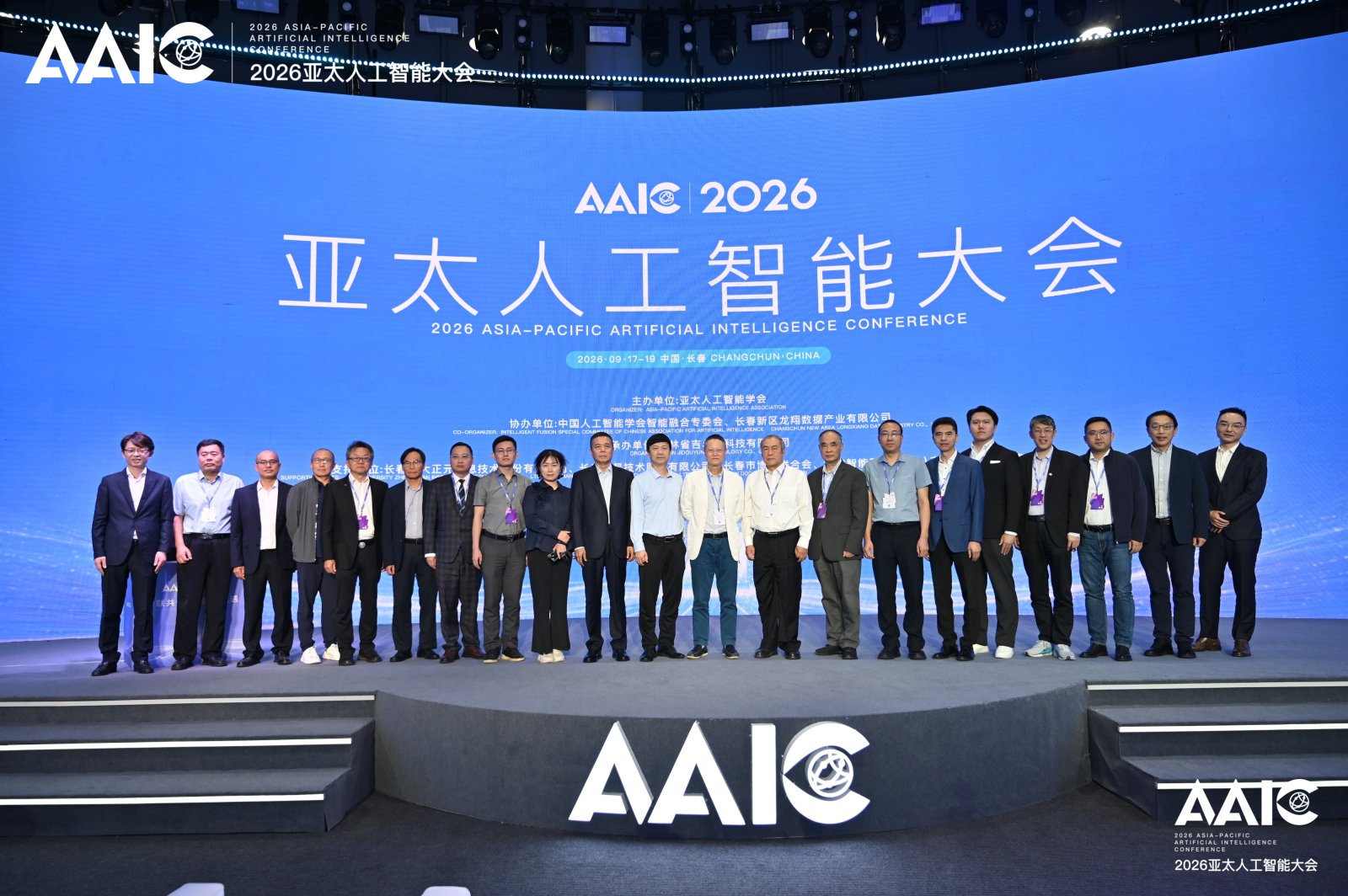
Local authorities said the conference would help attract talent and investment to the region and accelerate the application of AI technologies in industries such as automobile manufacturing, agriculture, and biomedicine.
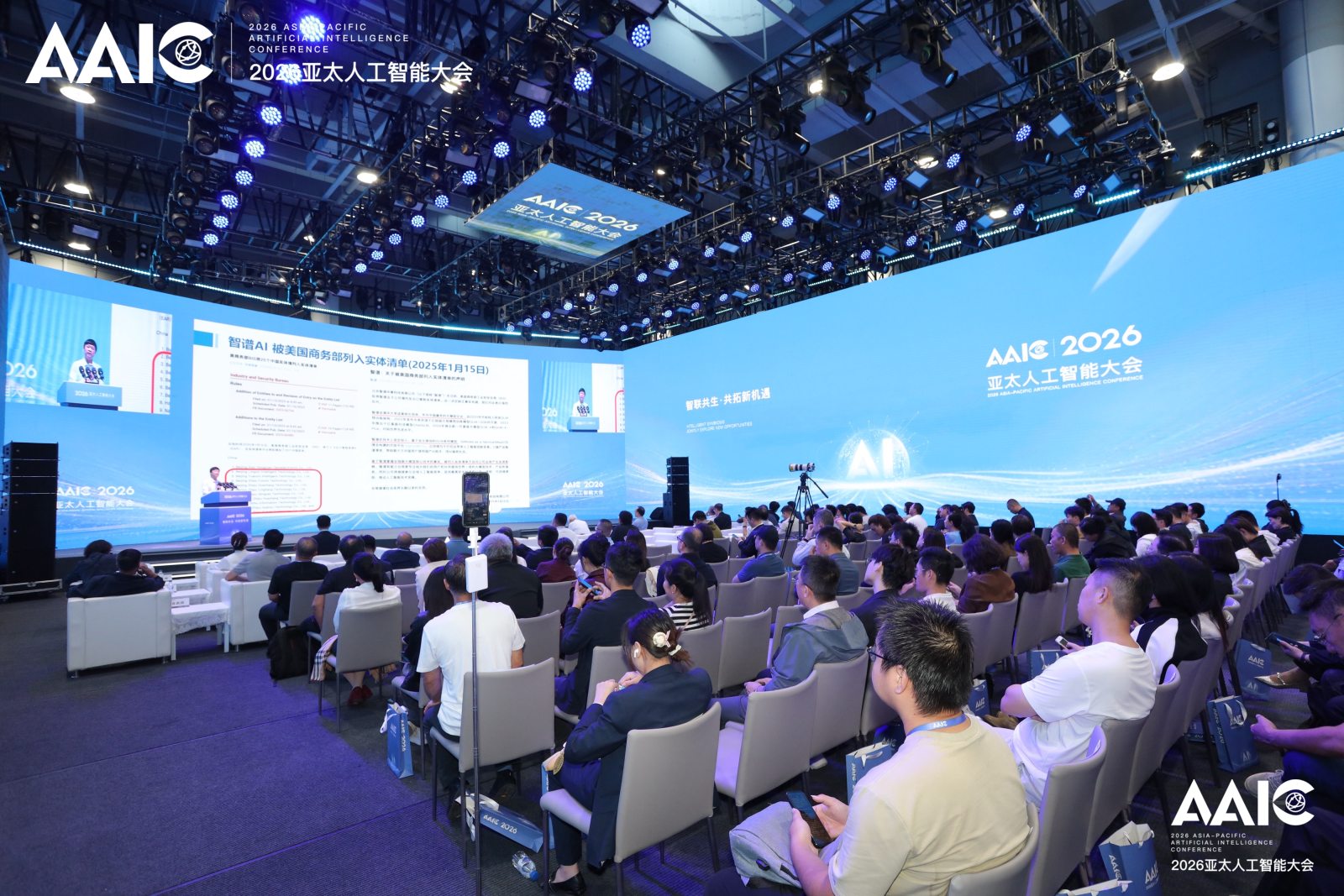
The opening ceremony and main forum of the 2026 Asia-Pacific Artificial Intelligence Conference were held on the morning of September 18 at the Zhengyuan Building in Changchun High-tech Zone. The conference, themed Intelligent Connectivity and Symbiosis: Exploring New Opportunities, brought together participants to discuss developments in artificial intelligence and opportunities for international exchange and cooperation across Northeast Asia and the Asia-Pacific region.
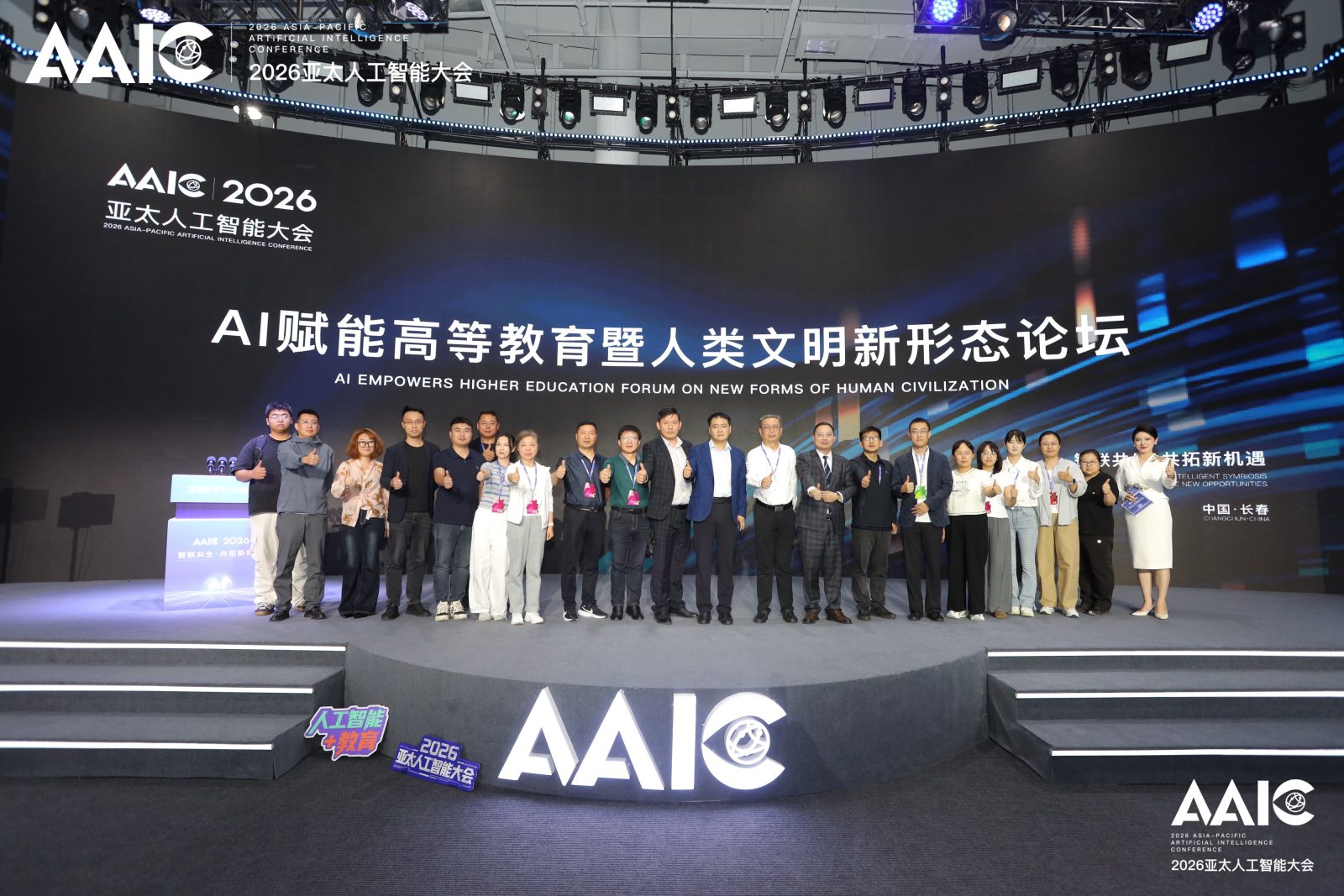
The three-day conference featured one main forum, more than 20 parallel sub-forums, and a range of supporting activities. More than 5,000 people attended the event, including 20 AAIS Fellows, representatives from over 200 technology companies across the Asia-Pacific region, and delegates from more than 100 universities and research institutions.
“As the organizer of the conference, I was impressed by the attention that participating experts paid to Changchun and Northeast China. Many of them expressed interest in bringing the latest AI applications in agriculture, education, and healthcare to Changchun,” said Du Lijun, chairman of Jilin Jidouyun Technology Co., Ltd. He added that the participation of these experts would support efforts to promote the revitalization of Northeast China and the development of agriculture. He also expressed hope that more advanced AI technologies could be introduced to universities, supporting the application of large language models and embodied AI products and helping train more professionals in the field.
At the keynote session, Chinese Academy of Engineering academicians He You and Gao Jinji spoke on topics including information fusion and artificial intelligence, intelligent equipment operation and maintenance, and intelligent biometric recognition. The presentations examined how AI could be applied to industry and contribute to the revitalization of Northeast China. Xu Bin, co-founder of Zhipu AI, Qin Xiang, vice chairman of Xingyun Technology, and Zhang Jun, chairman of CEIBS Capital, also shared their experiences in applying AI across different industries and discussed opportunities for further development.
Zhu Sima, general manager of Jilin Yiniai Technology Co., Ltd., said the conference had created new opportunities for companies in the data annotation sector. She said data would become an increasingly important driver of AI development and that Changchun could make use of its local data resources, including those related to ginseng, sika deer, and the ice and snow economy, to develop its AI industry.
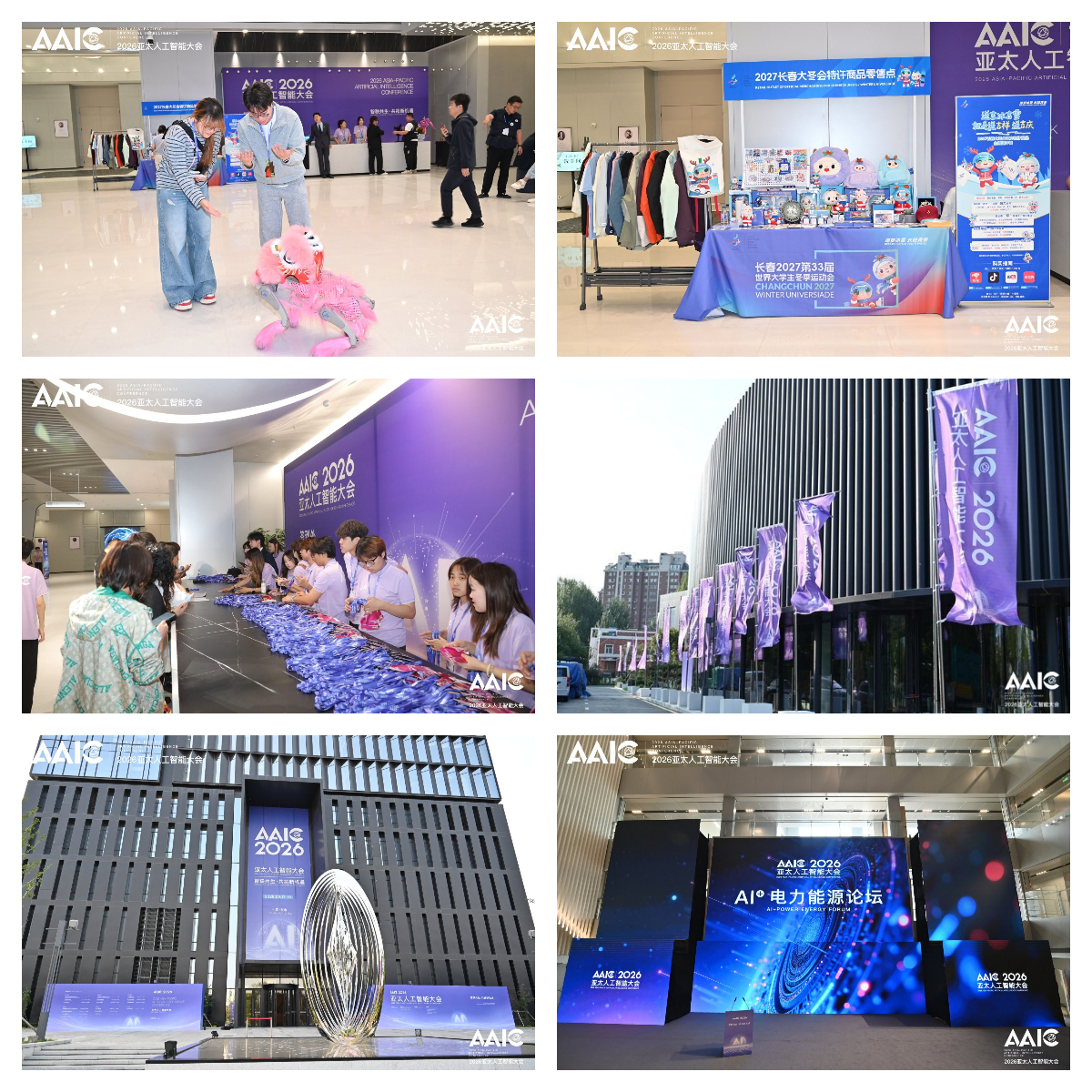
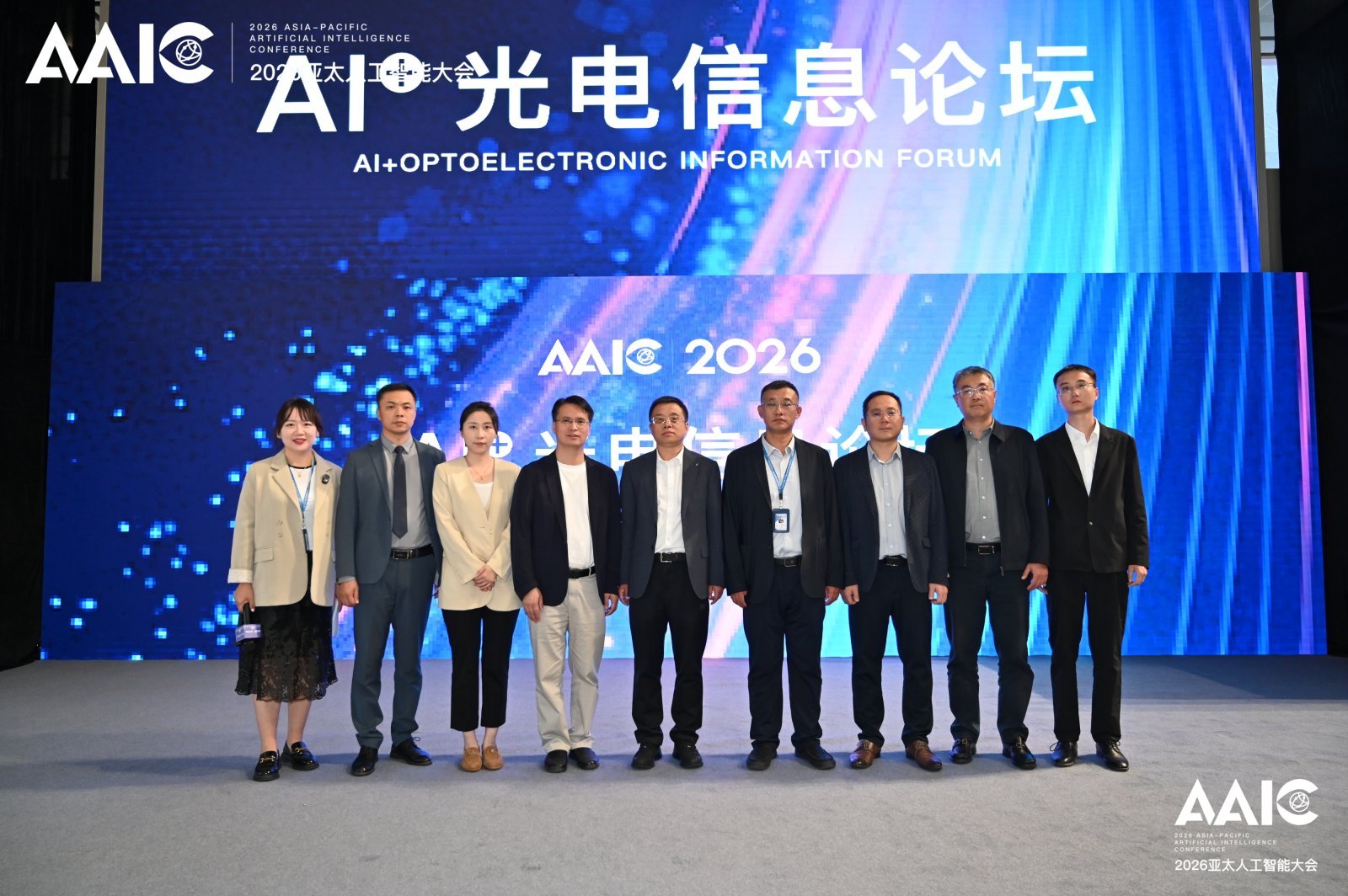
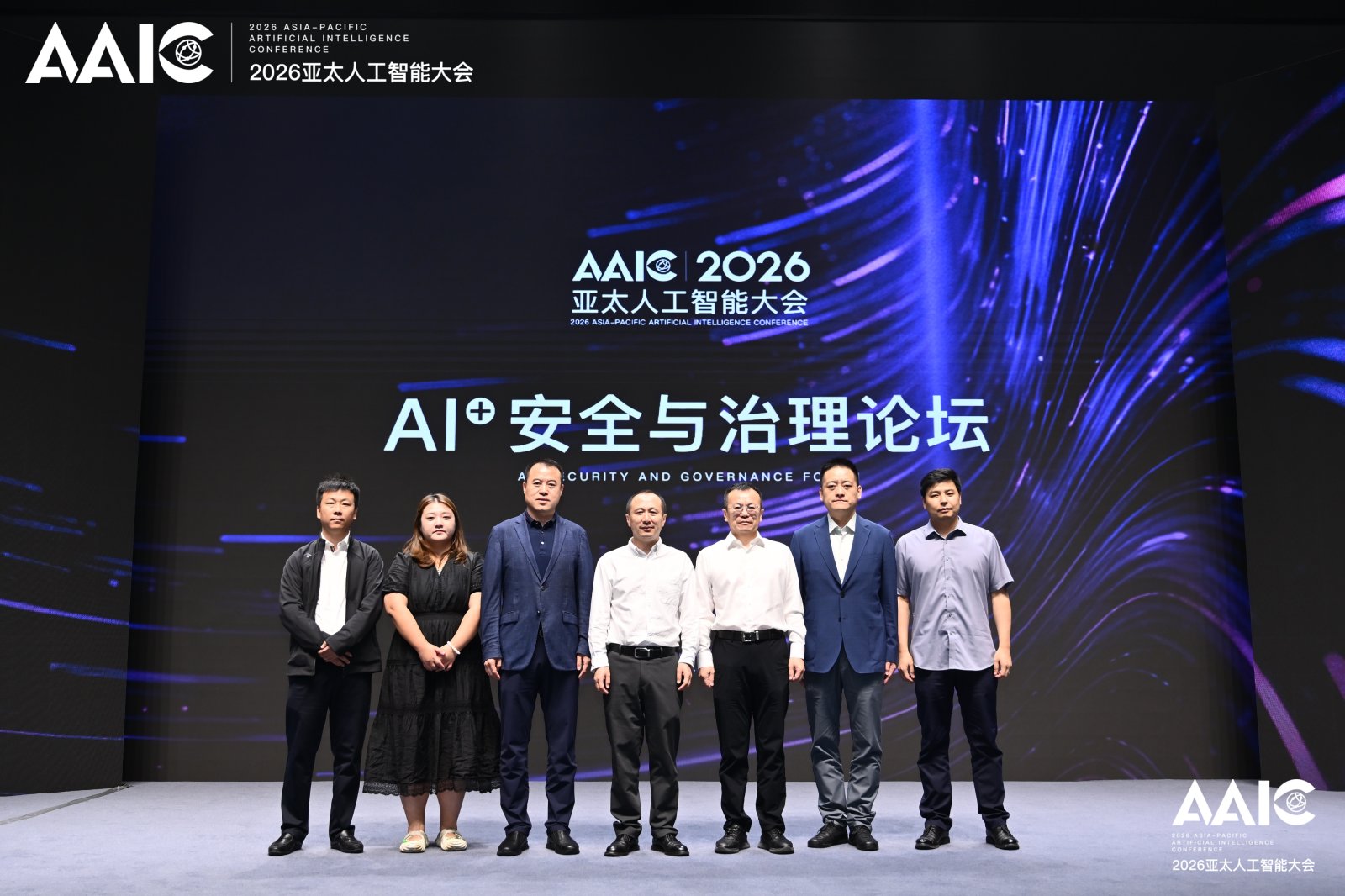
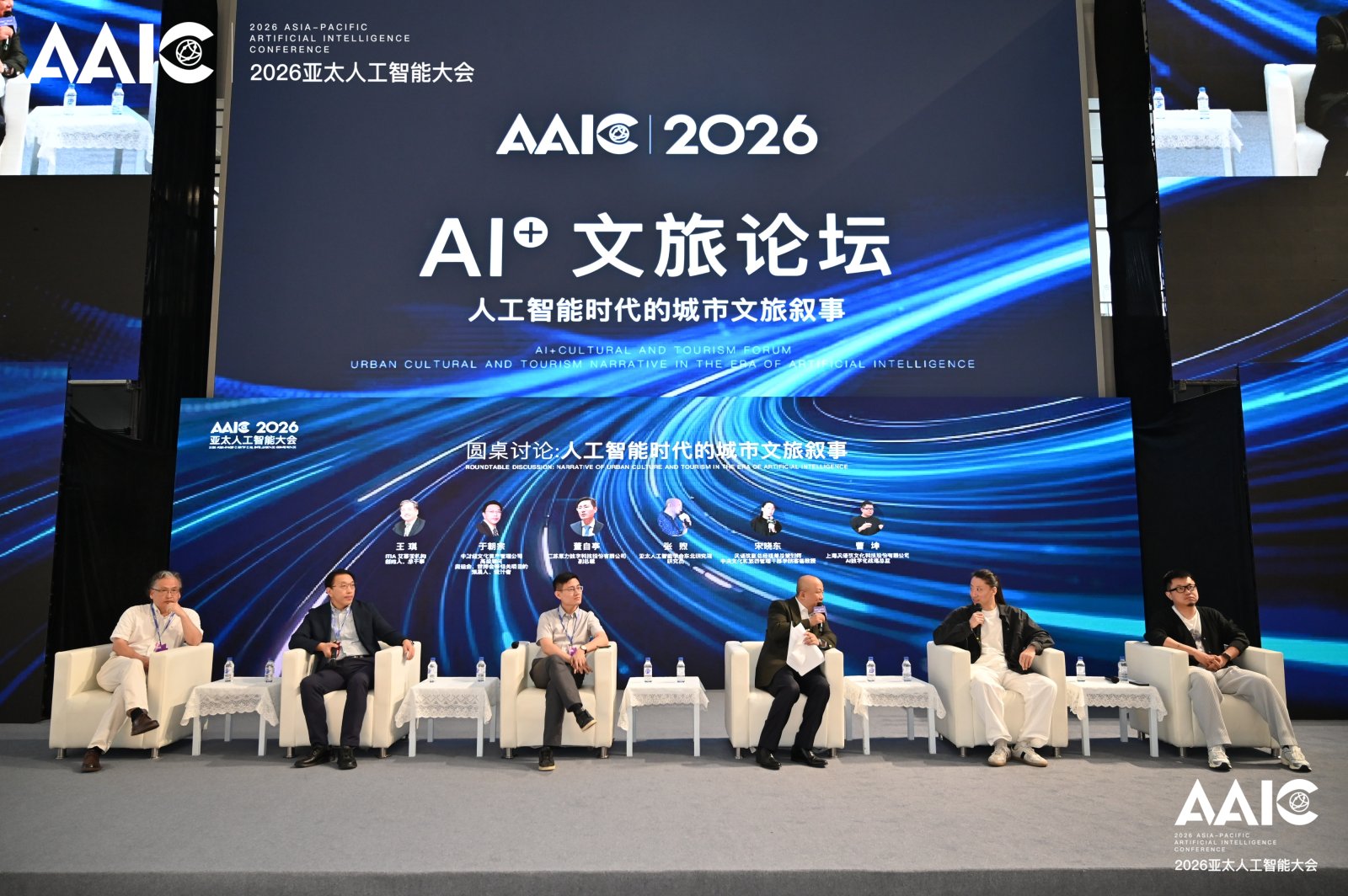
The conference also featured more than 20 parallel sub-forums on topics including AI + Big Data Models, AI+Smart Agriculture, AI+Aerospace Information, and AI+Embodied Intelligence. Other activities included government-business-university matchmaking sessions, investment and financing meetings, and investment promotion roundtables. An exhibition showcasing achievements under the theme Intelligent Connectivity and Symbiosis was open to the public throughout the three-day event.
 International Academy of Artificial Intelligence Sciences (AAIS)